

Resistance Temperature Detectors (RTDs)
-
An RTD (Resistance Temperature Detector) is basically a temperature sensitive resistor. It is a positive temperature coefficient device, which means that the resistance increases with temperature.
The resistive element is typically made of platinum, nickel or copper.
Platinum RTDs are the most commonly used due to excellent long-term stability and the linearity of its resistance vs temperature curve.
-
Most platinum RTDs conform to either Class A or B accuracy in accordance with the standard IEC 60751. Accuracy can be tightened further with calibration in our NIST-traceable calibration facility.
RTDs are available with 2, 3 or 4 wire leads of configurable length. We recommend that users with accuracy concerns or needing long lead lengths use 3 or 4 wire leads for better accuracy.
-
Once users have determined they would like to use an RTD, we recommend defining whether the measurement is of a surface, or is needed.
From there, the operating temperature range, geometry of the install locations, response time needs and environmental conditions are used to identify appropriate options.
Application specific details, such as the fluid or gas to be measured, expected pressures and flow rates, can help our team make better suggestions.
Selected RTDs are available now in our webstore:
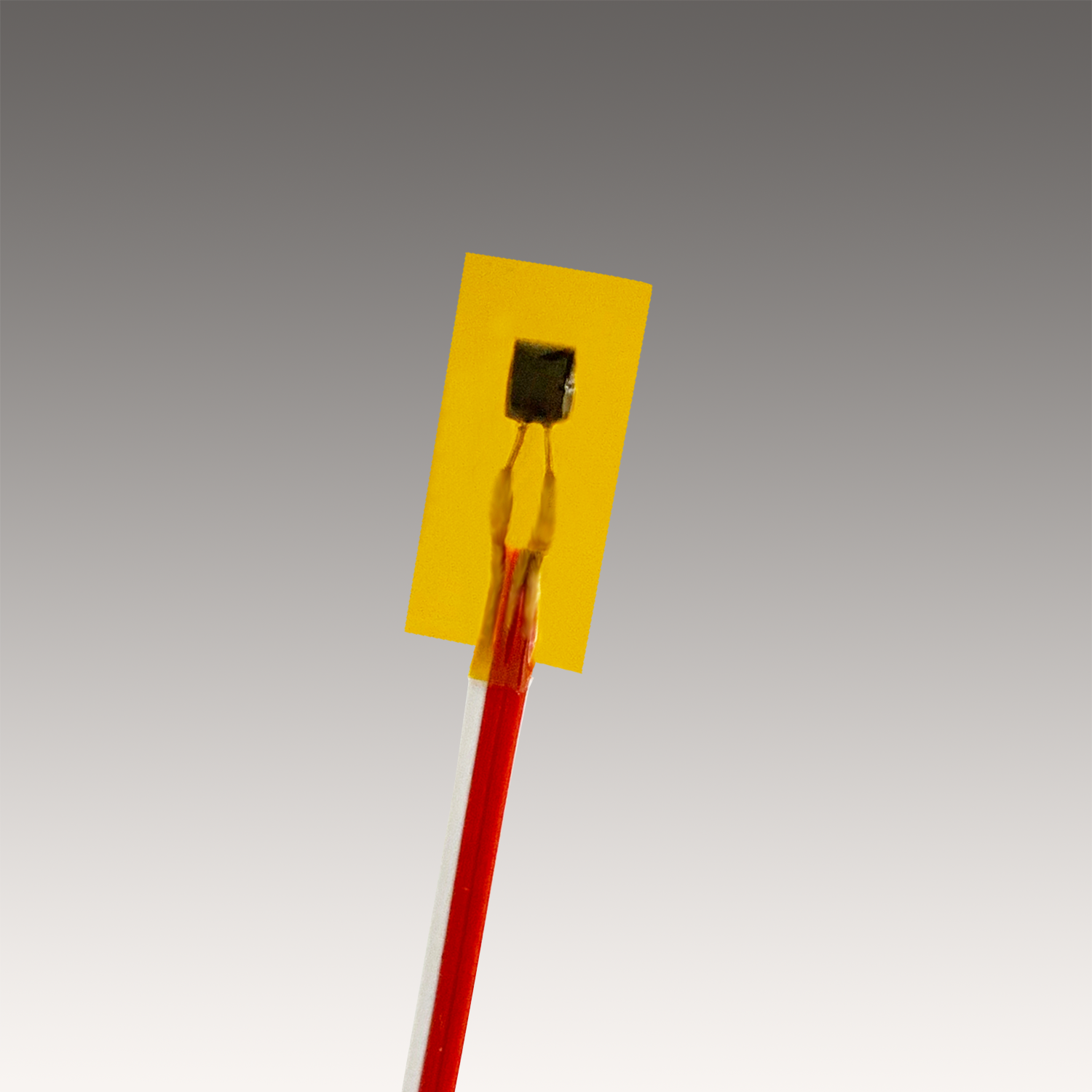

These low cost, sealed platinum surface RTDs are the world’s toughest.
Strong welded leads
Full platinum RTD stability
Completely sealed to condensation
Strain isolated
Offered online in 2-wire, 3-wire and 4-wire configurations with 12 inch and 40 inch leads.


These platinum RTD Capsules deliver stable, accurate temperature measurement in environments as hot as 510°C (950°F). Precision ultra-small diameter and low mass result in a super fast response time. Leads are welded and anchored to the element, adding durability. Please contact factory if desired lead length or resistance is not available online.